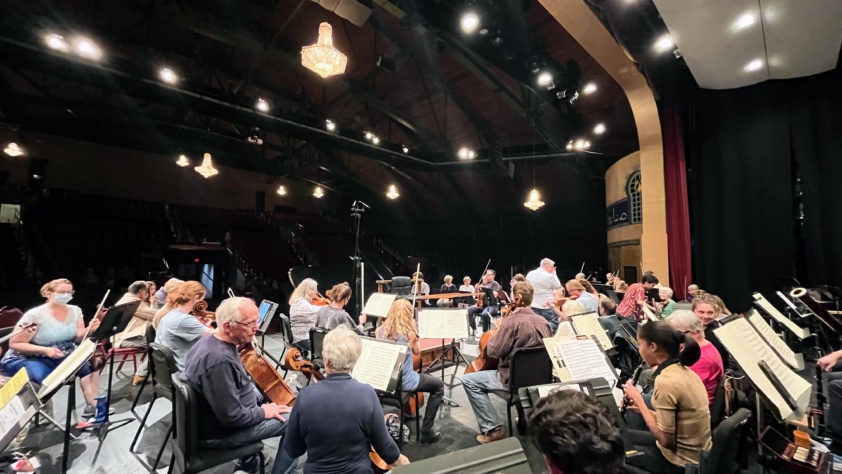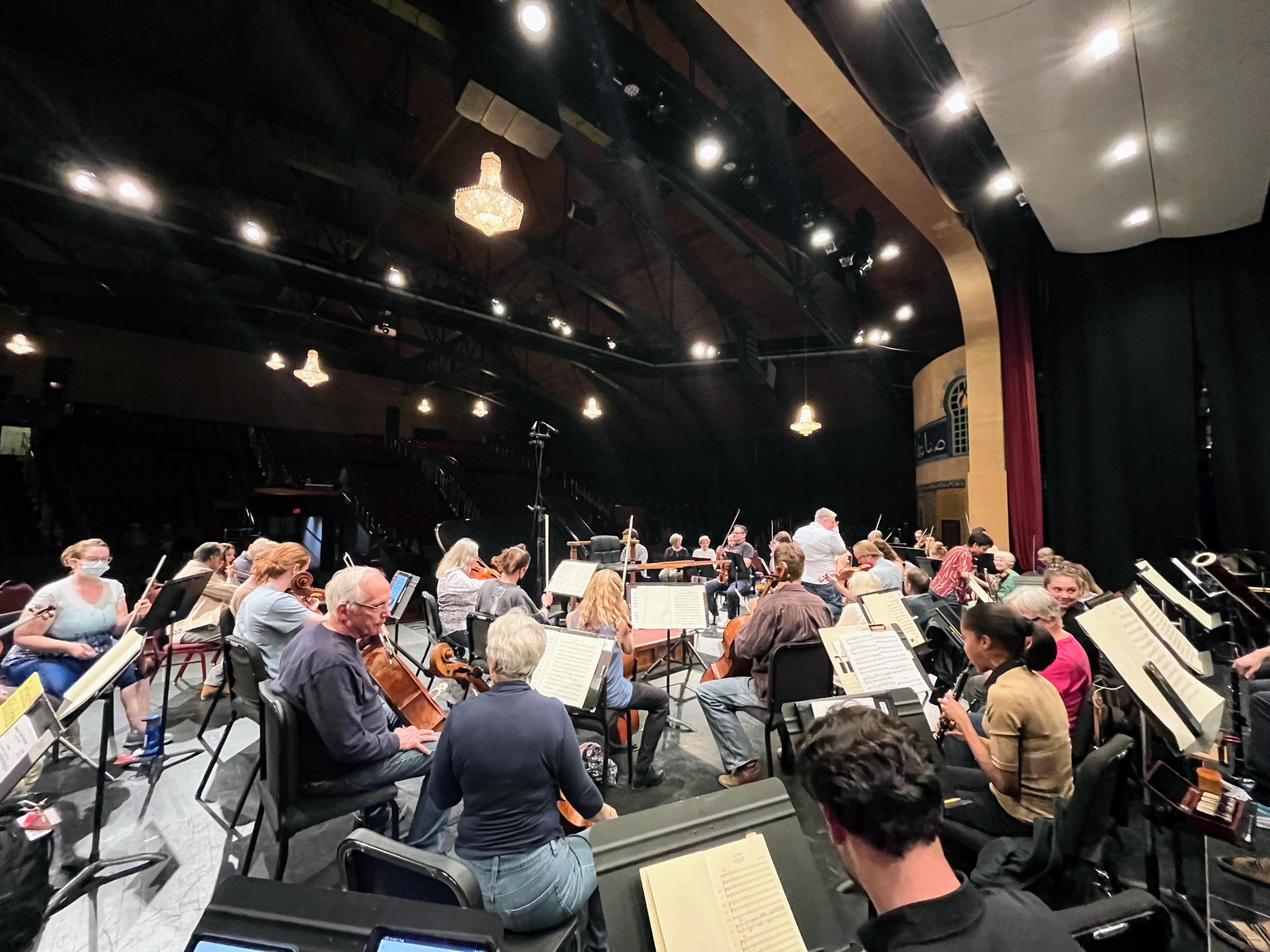
Against a backdrop of history, composers became revolutionaries, telling stories of heartache and triumph through the ages. Acclaimed soloist Alessio Bax, who is said to be “among the most remarkable young pianists,” joins the Symphony to perform Beethoven’s ornate and challenging Piano Concerto No. 3. The concert, led by guest conductor Michelle Merrill, concludes with Shostakovich’s Symphony No. 5, a dramatic take on his desperate search for hope amid oppression.
The concert opens with Jared Miller’s Luster, originally commissioned by the Detroit Symphony Orchestra he was given permission to write practically whatever he wanted. Inspired by Detroit’s rich musical history, he explored the translation of Electronic Dance Music into an orchestral arrangement. Miller’s scoring is genius—replicating looping technology with only the analog musicians you see on stage. An innovative piece that blends modern with traditional.
Rounding out the first half is pianist Alessio Bax. Combining exceptional lyricism and insight with consummate technique, Alessio Bax is without a doubt “among the most remarkable young pianists now before the public” (Gramophone). He catapulted to prominence with First Prize wins at both the 2000 Leeds International Piano Competition and the 1997 Hamamatsu International Piano Competition and is now a familiar face on five continents as a recitalist, chamber musician, and concerto soloist. He’ll be performing Beethoven’s Piano Concerto No. 3, which is generally thought to have been composed in 1800 but wasn’t performed until 1803 with Beethoven as the soloist.
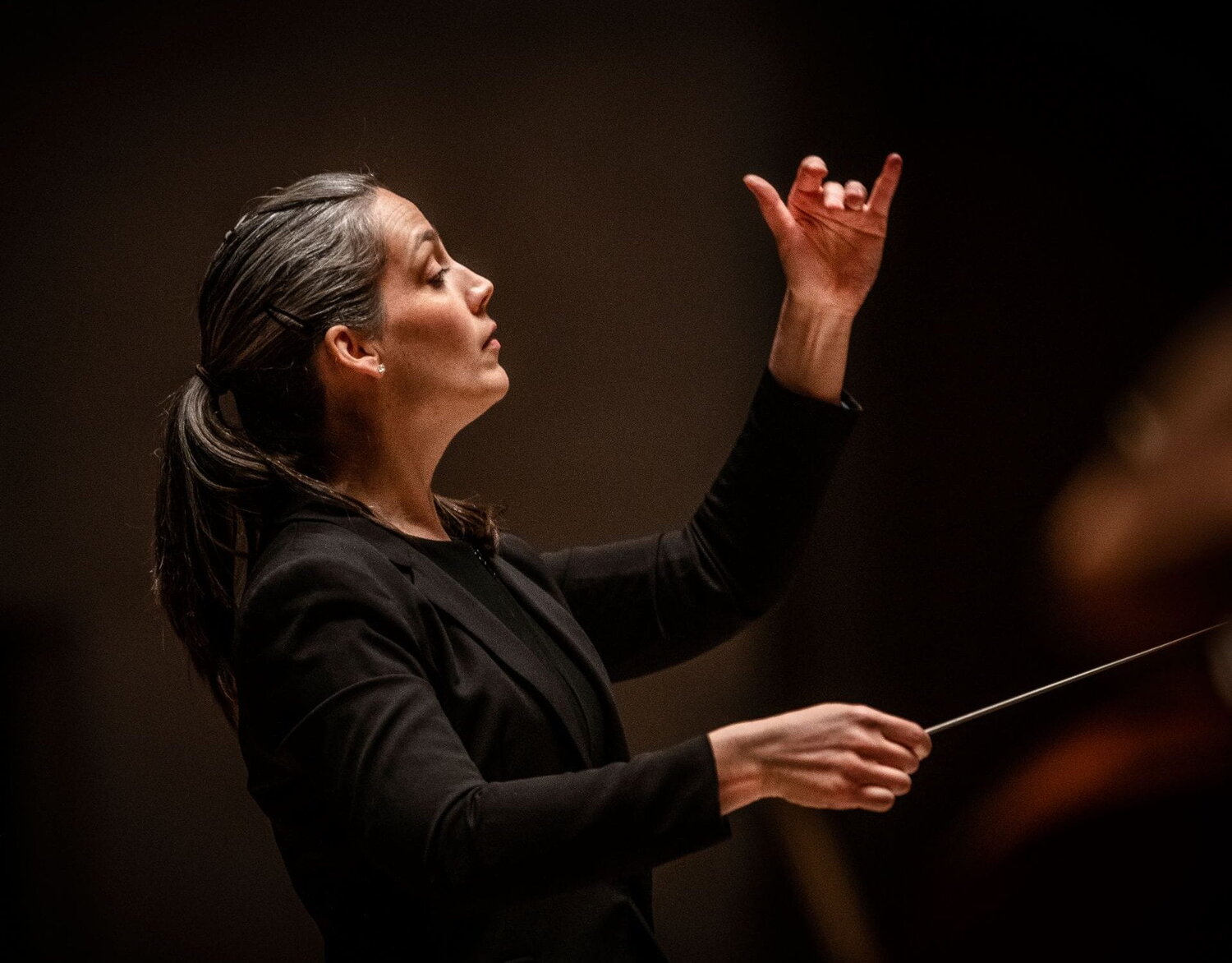
The orchestra will be led by Guest Conductor Michelle Merrill. She has been inspiring audiences throughout the country with her sharply detailed and vibrant performances. A passionate and dynamic artist, she is the Music Director of both the Winston Salem Symphony and the Coastal Symphony of Georgia, where she has ignited the growth and expansion of each orchestra’s offerings both on and off the stage.
The last piece of the concert is Shostakovich’s Symphony No. 5, which was composed during a trying time in Russian history. With Stalin ruling the country, Soviet citizens had to watch what they said, wrote, painted, or composed for fear of being arrested. Shostakovich’s 5th symphony reflects that censorship; it was written after a review was published in the Communist Party newspaper Pravda condemning his opera Lady Macbeth 2 years after its premier. Shostakovich was in the middle of rehearsals for his Symphony No. 4 and scrapped it to write Symphony No. 5 and try to redeem himself in the eyes of the government, while still staying true to his art.
And he managed to do just that; with its triumphant and crowd-pleasing melodies the symphony received a standing ovation that lasted nearly 40 minutes. Although it successfully appeased the government, looking beneath the surface, you can find various rebellious undertones throughout the piece. Outwardly the piece is filled with the spirit of celebration and optimism, but underneath the music breaks off and retracts, ending nowhere, suggesting an emotional struggle. His subtle rebellion is most evident in the final movement where it concludes in a militaristic march-like movement, which was popular for the time but often involved a brisk tempo whereas his is slow and reminisce of the opera Boris Godunov, in which crowds are forced to praise the Tsar. It’s a revolutionary concert from start to finish!
Revolutionary Voices is scheduled for Saturday, February 21, at Alberta Bair Theater. The performance begins at 7:30PM, doors open at 6:30PM, and Pre-Concert Cues begin at 6:40PM. To purchase tickets, call 406-256-6052 or visit www.billingssymphony.org.